
Jeep engine air filters – OEM vs performance

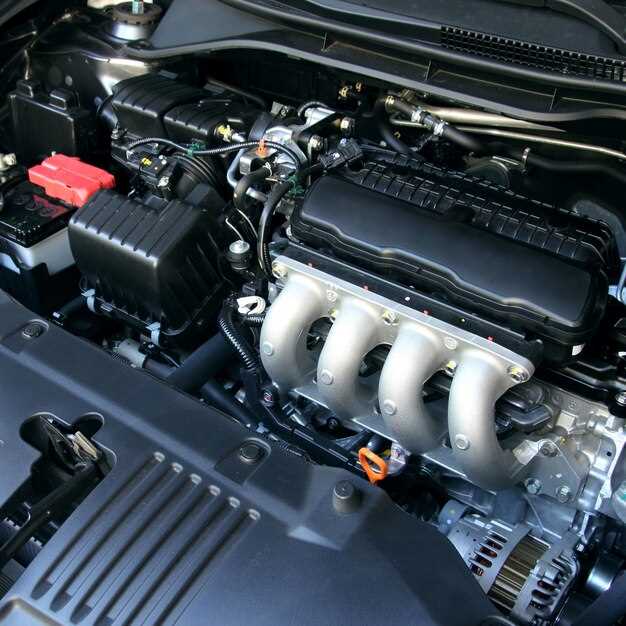
Choosing the right air filter for your Jeep’s engine is crucial for optimizing performance and extending the life of your vehicle. The intake system is designed to allow maximum airflow while preventing harmful debris from entering the engine. OEM (Original Equipment Manufacturer) filters are engineered to meet the specific standards set by the manufacturer, ensuring a reliable and consistent performance under various driving conditions.
On the other hand, performance air filters are designed to enhance airflow beyond OEM specifications. These filters typically use advanced materials and technologies to boost engine efficiency, resulting in improved horsepower and torque. However, the decision between OEM and performance options often leads to a debate among Jeep enthusiasts regarding the best choice for their off-road adventures and daily driving needs.
In this article, we will explore the differences between OEM and performance air filters, examining the benefits and potential drawbacks of each option. By understanding how these filters impact your Jeep’s intake system, you can make a more informed decision that aligns with your driving style and maintenance goals.
Comparing OEM and Performance Air Filters: Key Differences
When it comes to maintaining optimal performance in your Jeep, the choice of air filter is crucial. OEM (Original Equipment Manufacturer) air filters and performance air filters serve similar purposes but have distinct differences that can affect engine intake and air quality.
The following are key differences between OEM and performance air filters:
-
Construction Material:
- OEM filters are typically made from paper and are designed for standard operation.
- Performance filters often use high-quality materials such as cotton or foam to enhance airflow.
-
Airflow:
- OEM filters prioritize filtering efficiency and noise reduction, which can restrict airflow.
- Performance filters are engineered to maximize airflow, promoting better engine performance and responsiveness.
-
Filtration Efficiency:
- OEM air filters are designed to capture a solid amount of airborne particles, but may not filter as finely as performance options.
- Performance filters can allow for higher airflow while still providing excellent filtration, benefiting engines designed for power.
-
Longevity:
- OEM filters generally require regular replacement (every 15,000 to 30,000 miles) to maintain optimal performance.
- Performance filters can often be cleaned and reused, reducing long-term costs and environmental impact.
-
Installation:
- OEM filters are designed for direct replacement with minimal modifications.
- Performance filters may require additional adjustments or modifications for proper fitment, particularly in modified vehicles.
Choosing between OEM and performance air filters ultimately depends on your driving needs and performance goals. If you seek a balance of convenience and reliability, an OEM air filter may suffice. Conversely, if you aim to boost your Jeep’s performance and are willing to invest in higher-quality components, a performance air filter could provide significant benefits.
How Air Intake Designs Impact Jeep Engine Performance
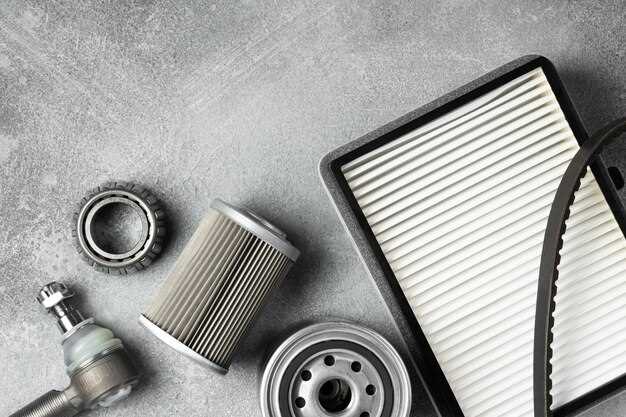
Air intake designs play a crucial role in the overall performance of Jeep engines. The primary function of an air intake system is to guide air into the engine efficiently. Improved air flow allows for better combustion, resulting in increased horsepower and torque. Each design variation focuses on optimizing the path that air takes, minimizing restrictions and turbulence.
Factory air intakes often prioritize sound dampening and cost-effectiveness over optimal performance. While they provide adequate filtration and airflow under standard conditions, aftermarket options can significantly enhance these aspects. Performance air intakes are engineered to facilitate a smoother, more direct pathway for air to enter the combustion chamber. This reduction in resistance enables the engine to breathe better, particularly under heavy acceleration or demanding off-road situations.
Different materials also impact air intake efficiency. Designs utilizing lightweight and heat-resistant materials can reduce air temperature entering the engine, as cooler air is denser and contains more oxygen. Some intakes are designed with larger openings and fewer bends, further enhancing airflow. Additionally, a high-flow air filter can complement these designs by providing superior filtration without obstructing air passage.
Ultimately, choosing the right air intake design can lead to noticeable improvements in Jeep engine performance. Enhanced acceleration, better fuel efficiency, and increased engine responsiveness are just a few benefits that come from optimizing air intake systems. Understanding how these designs interact with engine dynamics is essential for any Jeep enthusiast looking to upgrade their vehicle’s performance.
Choosing the Right Filter for Your Jeep Model: A Practical Guide
Selecting the appropriate air filter for your Jeep is crucial for optimizing its performance. When considering intake filters, you generally have two main categories: OEM and performance options. Understanding the differences can help you make an informed decision.
OEM filters are designed specifically for your Jeep model, ensuring a perfect fit and compatibility with the vehicle’s systems. These filters maintain the manufacturer’s recommended specifications, which means they are tested for effectiveness and reliability. If you prioritize consistency and reliability, OEM filters are a solid choice.
On the other hand, performance filters offer advantages for those looking to enhance engine efficiency and power. These filters often feature higher airflow capacities, which can lead to improved throttle response and an increase in horsepower. If off-roading or extreme driving conditions are part of your Jeep adventures, a high-performance filter may provide the necessary boost your engine requires.
When choosing between these options, consider how you use your Jeep. If your driving is primarily city-based with occasional off-road activities, an OEM filter may suffice. However, for frequent off-roading or competitive driving, a performance air filter could significantly benefit your vehicle’s intake system.
Additionally, consider filter maintenance. Performance filters sometimes require more frequent cleaning and servicing to maintain their optimal airflow. In contrast, OEM filters generally have longer replacement intervals, which could mean less hassle and lower maintenance costs in the long run.
In summary, the right air filter for your Jeep will depend on your specific model and driving habits. Weigh the pros and cons of both OEM and performance filters carefully to make the best choice for your needs. Ultimately, investing in the right filter will not only improve your Jeep’s performance but also enhance its longevity.