
The importance of tire pressure for Jeep safety

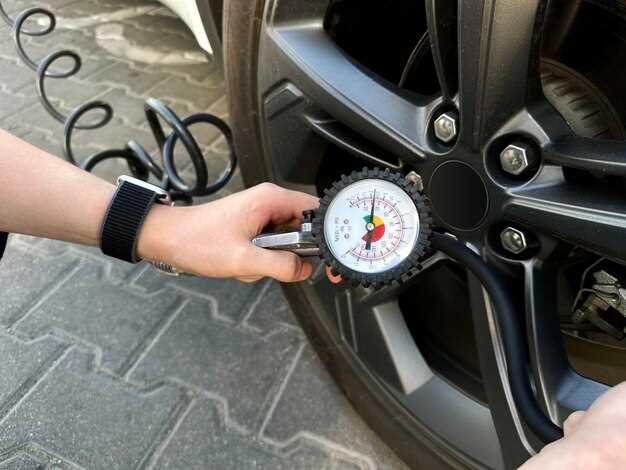
Maintaining the correct tire pressure is crucial for any vehicle, especially for robust machines like Jeeps that are often used for off-road adventures. The right pressure, measured in psi, is vital not only for optimal performance but also for ensuring the safety of the driver and passengers. Under-inflated or over-inflated tires can lead to unexpected handling issues, increased tire wear, and, in the worst-case scenario, blowouts.
Jeeps are designed to tackle various terrains, from rocky trails to muddy paths, and the way their tires respond to these challenges heavily relies on appropriate tire care. Proper tire pressure enhances traction, steering response, and overall driving comfort. Conversely, neglecting regular tire pressure checks can compromise the vehicle’s stability and control, undermining its inherent capabilities.
Understanding the importance of psi and its effect on tire performance is essential for Jeep owners. Regularly checking and adjusting tire pressure not only prolongs the lifespan of the tires but also ensures that each off-road journey is both enjoyable and safe. A simple commitment to tire care can make a significant difference in how a Jeep handles under varied conditions and circumstances.
Understanding Ideal PSI for Jeep Tires
Maintaining the correct tire pressure is crucial for the safety and performance of your Jeep. The ideal PSI (pounds per square inch) for Jeep tires can vary based on several factors including the model, load, and driving conditions. Typically, the recommended tire pressure for most Jeep models ranges from 30 to 35 PSI when driving on standard terrains.
Proper tire care involves regular checks of the PSI to ensure optimal performance. Under-inflated tires can lead to increased rolling resistance, decreased fuel efficiency, and compromised handling, which directly impacts safety. Conversely, over-inflation can cause premature tire wear, reduced traction, and a higher risk of blowouts on uneven surfaces.
It is essential to consult your Jeep’s owner manual or the sticker located on the driver’s side door jamb for the exact PSI specifications. Additionally, monitoring tire pressure is particularly important when off-roading, as varying terrains may require adjustments to accommodate different levels of traction and load.
In summary, understanding and maintaining the ideal PSI for your Jeep tires is a key component of effective tire care. This not only enhances your Jeep’s performance but also ensures a safer driving experience in all conditions.
Signs of Improper Tire Pressure and Their Consequences
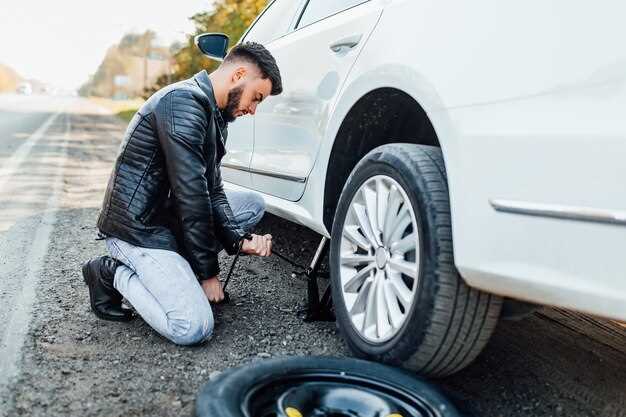
Maintaining the correct tire pressure is essential for safe driving and optimal performance of your Jeep. When tire pressure deviates from the recommended level, typically measured in psi, several noticeable signs can indicate a problem.
1. Uneven Tire Wear: One of the first signs of improper tire pressure is uneven tire wear. If tires are over-inflated, the center tread will wear out faster, while under-inflated tires lead to excessive wear on the edges. This irregular wear can shorten the lifespan of your tires and compromise safety.
2. Poor Handling: Incorrect tire pressure can significantly affect handling. Over-inflated tires may result in a harsh ride and reduced grip on the road, while under-inflated tires can lead to sluggish steering response. Both conditions can make it difficult to maneuver your Jeep safely, especially in challenging driving conditions.
3. Increased Fuel Consumption: Tire pressure that is not within the recommended range can lead to increased rolling resistance, ultimately causing your Jeep to consume more fuel. Maintaining proper pressure is a simple yet effective way to enhance fuel efficiency and reduce costs.
4. Tire Blowouts: One of the most severe consequences of improper tire pressure is the risk of tire blowouts. Under-inflation generates excessive heat buildup, while over-inflation makes tires more susceptible to punctures. Both scenarios can lead to a sudden loss of control and potentially dangerous situations.
5. Dashboard Warning Light: Most modern Jeeps are equipped with tire pressure monitoring systems (TPMS). If the tpms detects a significant drop or rise in tire pressure, a warning light will illuminate on the dashboard. Ignoring this alert can lead to serious safety issues.
To ensure the safety and performance of your Jeep, regular tire pressure checks are crucial. Caring for your tires by maintaining proper pressure not only prolongs their life but also enhances your driving experience. Always refer to your vehicle’s manual for the recommended psi and make tire maintenance a priority.
Best Practices for Jeep Tire Care and Maintenance

Maintaining the tires on your Jeep is essential for ensuring safety and optimizing performance. Regular care involves several key practices that can enhance the lifespan of your tires and improve the overall driving experience.
First and foremost, regularly check the tire pressure. Maintaining the recommended pressure levels is crucial for achieving optimal traction, fuel efficiency, and handling. Use a reliable tire pressure gauge to assess the pressure when the tires are cold, typically before driving. Inflate or deflate as necessary to meet the manufacturer’s specifications.
Secondly, routine tire rotations should be part of your maintenance schedule. Rotating your tires every 5,000 to 7,500 miles helps ensure even tread wear, extending their life and improving stability. Follow the recommended rotation pattern based on your Jeep model, as different configurations might require specific strategies.
Tire tread depth also plays a significant role in performance and safety. Regularly inspect the tread for wear and use a tread depth gauge to assess its condition. If the tread is worn down to 2/32 of an inch or less, it’s time to replace the tires. Good tread depth is vital for effective grip, especially in adverse weather conditions.
Additionally, alignments are crucial for tire care. If you notice uneven wear or if the steering feels off, a wheel alignment may be necessary. Misaligned wheels can lead to increased tire wear and affect handling, making it essential to address this issue promptly.
Moreover, keep an eye out for any visible damage or irregularities on the tire surface. Look for cuts, cracks, or bulges that may indicate a need for replacement or repair. Addressing these issues early can prevent further damage and potential safety hazards.
Lastly, don’t neglect seasonal changes. Use all-terrain or winter tires as needed based on the environment and weather conditions you typically encounter. Proper tire selection contributes to improved safety and performance, particularly in challenging terrains.
By following these best practices for tire care and maintenance, Jeep owners can enhance their vehicle’s safety, performance, and longevity. Regular attention to tire health translates to a more enjoyable and reliable driving experience.