
Top safety features in modern Jeeps

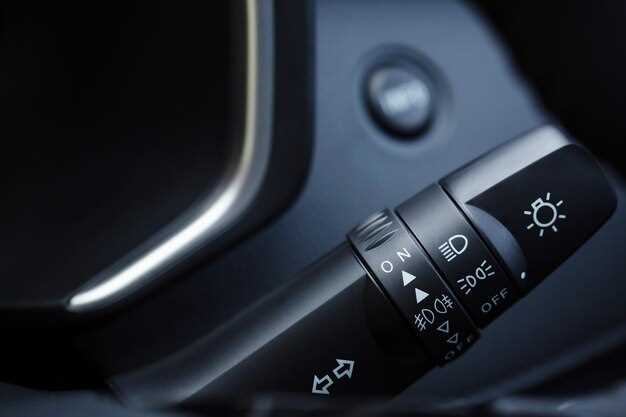
Modern Jeep models have become synonymous with adventure, but they also prioritize safety in a way that meets the demands of today’s drivers. With a combination of cutting-edge technology and robust engineering, these vehicles are designed to provide not just performance off-road, but also peace of mind on city streets and highways. One of the standout aspects of Jeep’s approach to safety is the integration of advanced sensors throughout their lineup.
These sensors play a crucial role in enhancing driver awareness and vehicle responsiveness. For instance, many Jeep models are equipped with lane departure warning systems, adaptive cruise control, and blind spot monitoring, all made possible by highly sensitive sensors that continuously scan the environment. This technology significantly reduces the likelihood of accidents, allowing drivers to focus on the road without compromising on safety.
Moreover, Jeep has invested heavily in ensuring that their vehicles are constructed with durability and crash safety in mind. The innovative use of sensors not only aids in collision avoidance but also contributes to the overall structural integrity of the vehicle. With features like automatic emergency braking and rear cross-path detection, Jeep models are engineered to respond effectively in emergency situations, showcasing a comprehensive safety strategy that truly sets them apart in the automotive market.
Advanced Airbag Systems in Jeep Vehicles
Jeep vehicles are equipped with advanced airbag systems designed to enhance occupant safety in the event of a collision. These systems go beyond traditional airbags, incorporating multiple features that ensure maximum protection for all passengers.
Today’s Jeep models utilize a comprehensive network of airbags strategically placed throughout the cabin. This includes front airbags for the driver and front passenger, side curtain airbags that deploy from the roof, and side torso airbags integrated into the seats. This multi-faceted approach helps mitigate injuries from various angles during an accident.
Additionally, many Jeep models feature advanced sensing technology that detects the severity of a crash. This technology allows the airbag system to deploy at varying rates and volumes depending on the impact, providing tailored protection for occupants. The deployment timing of airbags is crucial; with advancements in algorithms, Jeep can optimize deployment to maximize safety.
Furthermore, newer Jeep vehicles often include advanced features such as passenger detection systems, which determine whether the front passenger seat is occupied. This ensures that airbags deploy only when necessary, reducing the risk of injury to smaller passengers or in situations where airbag deployment would be counterproductive.
Jeep continuously enhances its airbag technology, focusing on improving their effectiveness and response under diverse driving conditions. By investing in research and development, Jeep remains committed to providing cutting-edge safety systems that protect both drivers and passengers on every adventure.
Role of Sensors in Collision Avoidance Technology
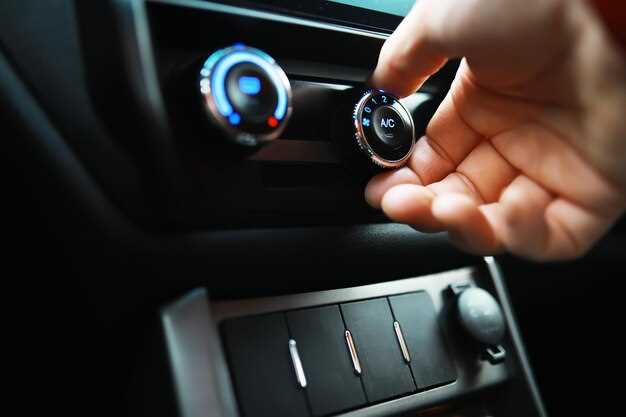
Sensors play a critical role in the advancement of collision avoidance technology in modern Jeep models. These devices are designed to detect obstacles and potential hazards in real-time, allowing the vehicle to respond accordingly to prevent accidents.
The primary types of sensors used include radar, lidar, cameras, and ultrasonic sensors. Radar sensors utilize radio waves to identify objects’ distance and speed, making them effective in various weather conditions. Lidar sensors, which use laser pulses, provide a three-dimensional view of the vehicle’s surroundings, enhancing precision in detecting obstacles.
Cameras complement the data gathered by radar and lidar by offering visual information about the environment. They are particularly useful for recognizing road signs, lane markings, and pedestrians. Ultrasonic sensors, often employed for parking assistance, can detect nearby objects during low-speed maneuvers, alerting drivers to potential collisions.
By integrating data from multiple sensors, collision avoidance systems in Jeep vehicles can create a comprehensive understanding of the driving environment. Advanced algorithms analyze this information to predict and identify potential collisions, triggering alerts or automatic braking when necessary. This synergy of sensor technology significantly enhances vehicle safety, protecting occupants and reducing the likelihood of accidents.
In summary, sensors are vital to collision avoidance technology, providing critical data that enables modern Jeep models to operate safely and effectively in various driving conditions. The continuous evolution of these technologies contributes to the overall goal of achieving safer roads for everyone.
Understanding Jeep’s Stability Control Mechanisms

Jeep vehicles are equipped with sophisticated stability control mechanisms designed to enhance safety and improve handling in various driving conditions. These systems utilize a network of sensors that continuously monitor the vehicle’s dynamics, detecting deviations from normal driving behavior.
At the core of Jeep’s stability control system is the Electronic Stability Control (ESC) feature. This system employs sensors to gauge factors such as wheel speed, steering angle, and lateral acceleration. By analyzing this data, the ESC can determine if the vehicle is losing traction or experiencing potential skidding.
When the system detects that a wheel is beginning to slip or that the vehicle is losing stability, it can intervene by adjusting the engine power and applying the brakes to individual wheels. This proactive response helps to restore control and maintain the driver’s intended path, whether navigating rugged terrains or slippery roads.
Additionally, Jeep models often incorporate an advanced Traction Control System (TCS) that works in conjunction with stability control. This feature utilizes sensors to monitor wheel spin during acceleration and delivers power intelligently to the wheels with the most grip, preventing loss of traction.
In summary, the integration of sensors in Jeep’s stability control mechanisms plays a crucial role in ensuring driver safety. By providing real-time data for effective system response, these innovations help maintain vehicle stability, even in challenging driving scenarios.